
Community
Worker training, voter education keys to smooth election
By Rachel Kim
Advertisement · Why this ad?
Jenna Larson has been reporting on the Fargo region for over 15 years. She graduated from North Dakota State University and began her career at The Forum of Fargo-Moorhead before joining the Bison Current network. Jenna's focus is on community events, local initiatives, and the stories that make Fargo unique.
More from Jenna →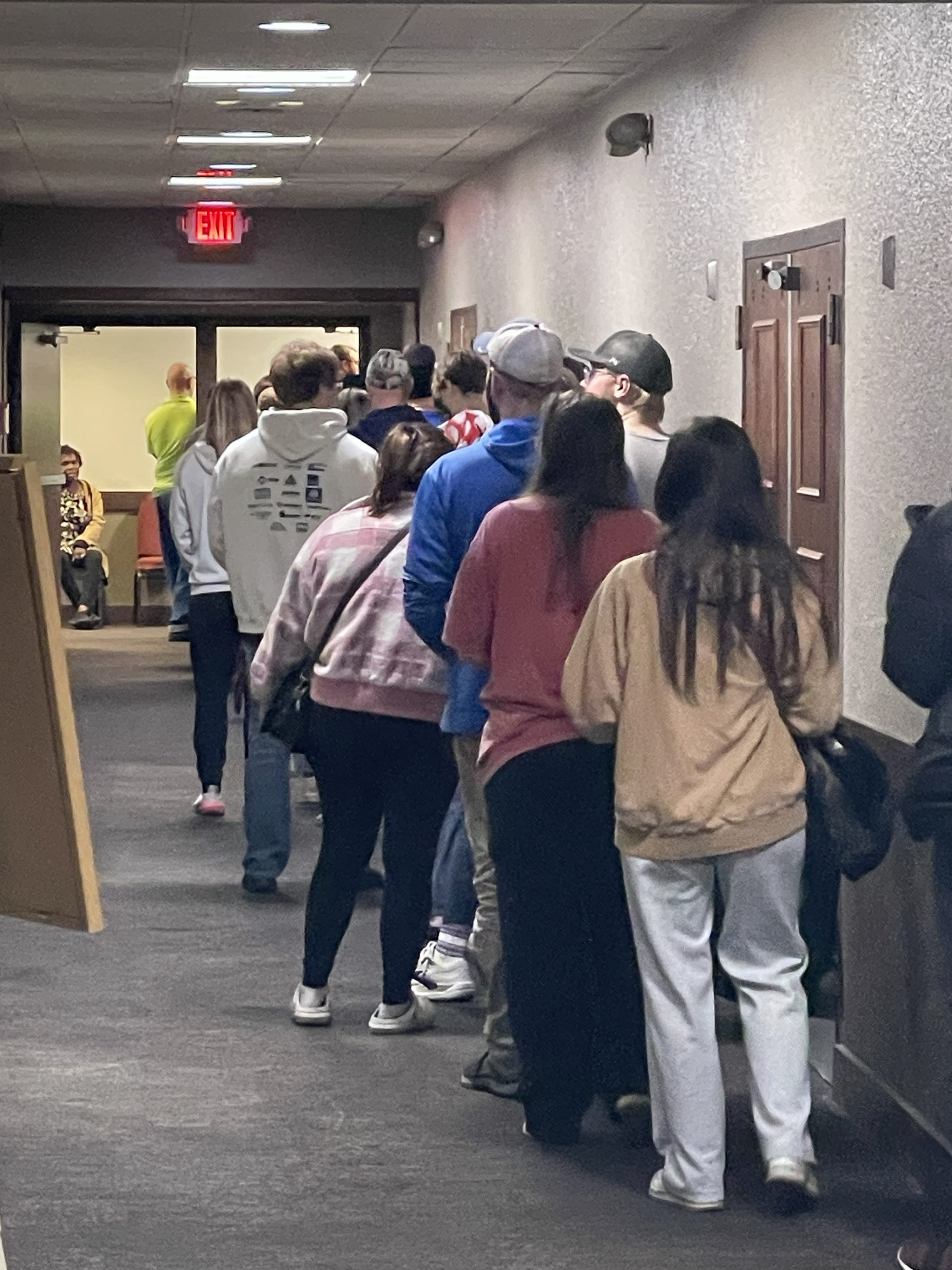
As the sun rose over Fargo on a crisp November morning, the streets were lined with determined voters eager to make their voices heard. Yet, as the day progressed and ballots were counted, a somber statistic emerged: North Dakota's voter turnout had plummeted to its lowest level in 50 years during the recent general election. This stark reality has left many community leaders and residents reflecting on the importance of civic engagement and the future of democracy in the state.
According to unofficial results released by state election officials, only 39.8% of eligible voters participated in the election, breaking the previous record low of 43% set during the 2022 midterm elections. This significant drop in voter turnout has raised concerns among civic leaders and citizens alike, as it indicates a troubling trend in political engagement across North Dakota.
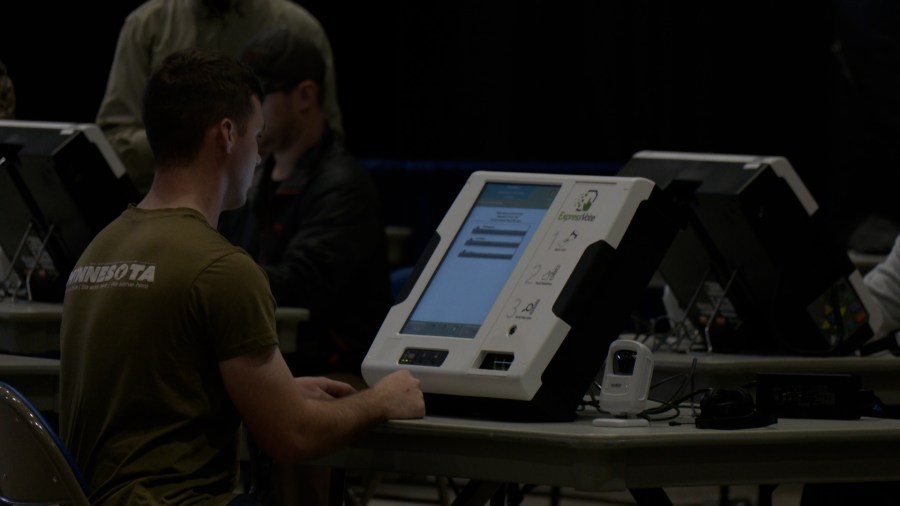
In total, North Dakotans cast 239,057 ballots. Of these, more than half, specifically 135,098 ballots or 56.6%, were cast in person at polling locations on Election Day. Meanwhile, early voting accounted for 50,493 ballots, and another 53,466 ballots arrived by mail or absentee. Together, early and mail-in voting constituted 43.4% of the total votes cast, highlighting a shift in how North Dakotans are choosing to participate in elections.
Secretary of State Michael Howe expressed his gratitude to the election staff and poll workers who dedicated their time to facilitate the election process. "North Dakota voters made their voices heard and our office was proud to work alongside all 53 counties to ensure a free and fair election," Howe stated. Despite the disappointing turnout, he remains hopeful that more North Dakotans will engage in future elections.
The reaction from the community has been one of concern and contemplation. Many residents, like lifelong Fargoan Mary Johnson, have voiced their disappointment over the low turnout. "Voting is our duty as citizens, and it's disheartening to see so many people abstaining from this important responsibility," she said. Mary, a mother of three, emphasized the need for families to instill the value of civic engagement in the next generation.
Local civic groups have begun discussing strategies to encourage voter participation in future elections. The Fargo-Moorhead Chamber of Commerce has initiated outreach programs aimed at educating residents about the voting process and the significance of their participation. "We need to create a culture of voting in our community," said Chamber President, Tom Anderson. "It’s not just about casting a ballot; it’s about being involved in the decisions that affect our lives and our families."
As communities grapple with the implications of low voter turnout, many are reflecting on the broader significance of civic engagement. In a state known for its strong family values and commitment to community, the act of voting is seen as a crucial opportunity for families to come together and voice their opinions on issues that matter to them.
Local churches, such as First Lutheran Church in Fargo, are also stepping up to encourage their congregations to participate in elections. Pastor John Peterson stated, "As a community of faith, we believe it’s our responsibility to engage in the civic process. Voting is a way to honor our values and influence the direction of our society." This call to action resonates deeply in a community where faith and family are intertwined.
The implications of low voter turnout extend beyond individual ballots. When a significant portion of the population abstains from voting, it can lead to a lack of representation and a disconnect between elected officials and their constituents. This concern is particularly relevant in North Dakota, where rural communities may feel their voices are already marginalized.
Moreover, low turnout can impact local policies and funding for essential services that directly affect families. Whether it’s education, healthcare, or infrastructure, the decisions made by elected officials have real consequences for the daily lives of residents. Therefore, it’s crucial for every eligible voter to recognize their role in shaping the future of their community.
In the weeks following the election, discussions surrounding voter engagement have intensified. Local leaders are exploring innovative ways to reach out to underrepresented groups, ensuring that every voice is heard and valued. This commitment to inclusivity is essential in fostering a thriving democracy that reflects the diverse perspectives of its citizens.
Among those particularly concerned about the low turnout are younger voters and those who have historically felt disenfranchised. Organizations like the North Dakota Young Democrats and North Dakota College Republicans are mobilizing efforts to engage their peers. They recognize that young people are the future of the state, and their participation in the electoral process is vital for addressing issues that directly affect them, such as climate change, education reform, and job opportunities.
Sarah Thompson, a college student at North Dakota State University, shared her frustration: "It’s disappointing to see so many of my friends not participating. We have so much at stake, and it feels like our voices aren’t being heard. We need to show up and make our opinions count." This sentiment echoes the urgency many feel as they advocate for a more inclusive political landscape.
As North Dakota prepares for future elections, there is a growing recognition of the need for proactive measures to boost voter turnout. Community leaders are advocating for educational initiatives that emphasize the importance of voting and the impact it has on local governance. Programs targeting young voters, first-time voters, and those who may have previously felt disenfranchised are particularly crucial.
Additionally, the state is considering enhancements to the voting process itself, including improved access to polling locations and expanded early voting options. These changes aim to make voting more convenient and accessible for all residents, thereby encouraging higher participation rates in future elections.
As Secretary Howe noted, the upcoming meetings of county canvassing boards on November 16 and the State Canvassing Board on November 18 will officially certify the final results of the recent election. While these results may be disheartening, they also serve as a catalyst for change and a renewed commitment to fostering civic engagement in North Dakota.
In conclusion, the recent drop in voter turnout in North Dakota is not just a statistic; it is a wake-up call for communities to come together and prioritize civic engagement. By nurturing a culture of voting and ensuring that every voice is heard, North Dakotans can work towards a future where democracy thrives and families feel empowered to shape the world around them. The path forward will require collaboration, innovation, and a shared commitment to making every vote count.
By Rachel Kim
By Jenna Larson
By Sofia Cheung
By Tommy Anderson