Today in History: Nov. 4, 1978 - Manvel to get elevator
Ravi Patel has a background in economics and journalism, graduated from the University of North Dakota. With four years of experience at local news outlets, he specializes in business trends and economic development in the Grand Forks area.
More from Ravi →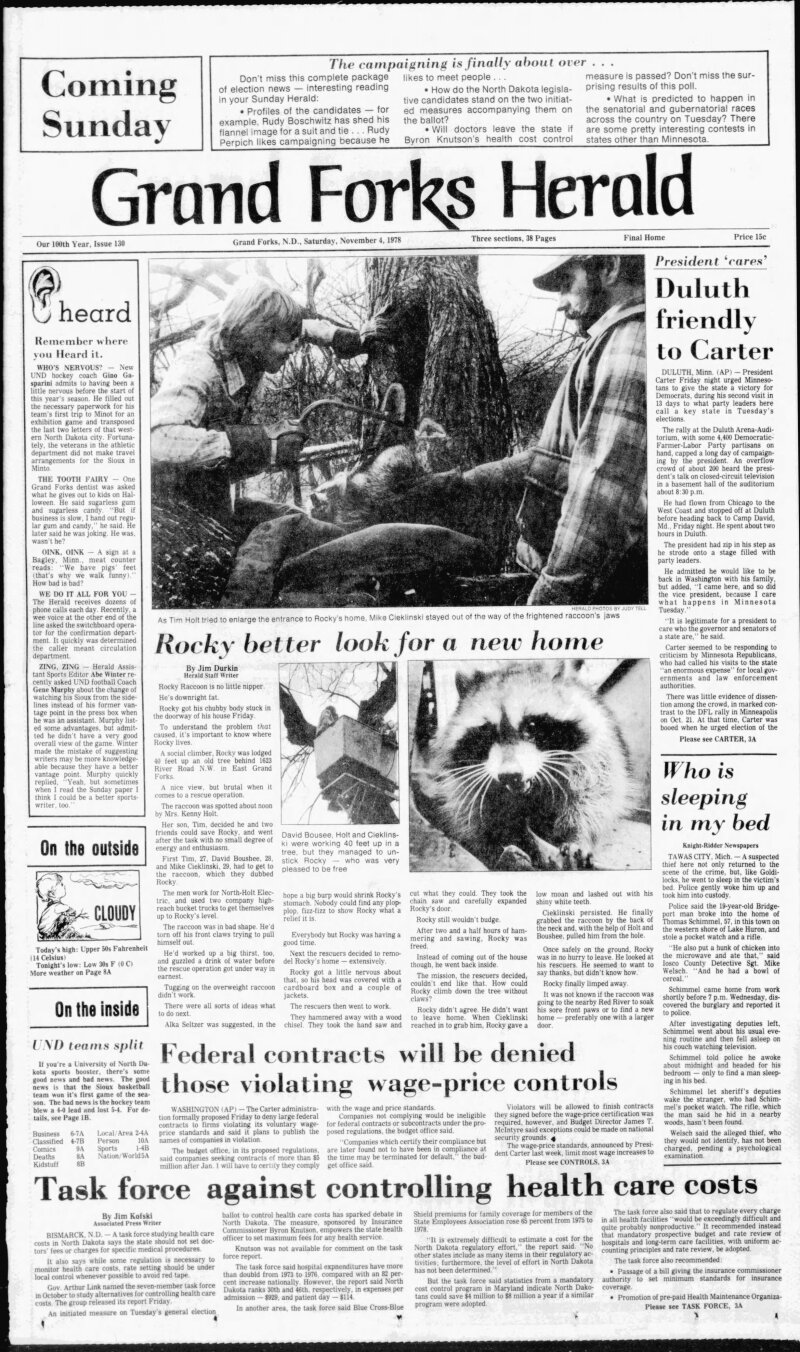
On a crisp autumn morning in 1978, the small community of Manvel, North Dakota, buzzed with excitement. Farmers gathered at the local co-op, exchanging stories about the season's harvest and discussing the future of their livelihoods. Among them was Robert Busch, the manager of the Manvel Farmers Union Elevator Co., who had a significant announcement that would change the economic landscape of this tight-knit farming community. His words echoed through the room: plans were underway for a new, state-of-the-art elevator complex, a symbol of hope and progress for local farmers.
What Happened
On November 4, 1978, the Grand Forks Herald reported that the Manvel Farmers Union Elevator Co. had unveiled plans for a modern 100,000-bushel elevator complex, projected to cost around $700,000. This ambitious project was not merely an upgrade; it represented a commitment to the agricultural community's future. The new elevator, strategically positioned adjacent to the Burlington Northern tracks, was set to enhance the efficiency of grain handling, particularly for sunflowers and other commodities.
Construction was slated to begin in the fall of 1978, with the elevator expected to be operational by September 1979. This timeline was eagerly anticipated by local farmers, who understood the importance of modern facilities in increasing productivity and profitability. Busch emphasized that the new complex would alleviate loading delays, a common frustration that often hindered the timely transport of grains to markets.
The announcement came during the cooperative's 44th annual meeting, where members celebrated the previous year's financial successes. The cooperative had reported savings of $254,907, a significant achievement that brought the total savings over 35 years to nearly $2.3 million. Of this amount, approximately $1.5 million had been returned to farmers, reinforcing the cooperative's role as a pillar of support in the community.
Community Reaction
The news of the new elevator was met with enthusiasm among the farmers of Manvel. Steve Slominski, who was re-elected to the cooperative's board of directors, expressed optimism about the project. "This new elevator will not only modernize our operations but also strengthen our cooperative's ability to serve our members and the community at large," he stated during the meeting. His sentiments were echoed by other board members, including James Hutton, William Johnson, Joe DeVine, and Edwin Plutowski, who all recognized the significance of the investment.
For many farmers, the cooperative was more than just a business; it was a lifeline. The dividends paid out over the years had helped families invest in their farms and secure their futures. Farmers like Joe DeVine, who had been part of the cooperative since its inception, reflected on the changes he had witnessed. "When I first joined, we were still using much older technology. This new elevator is a testament to how far we’ve come and how committed we are to improving our operations," he shared.
A Commitment to Tradition
The cooperative's success was rooted in its dedication to the community and its values. The farmers of Manvel understood that their strength lay in unity and commitment to one another. The cooperative model not only provided financial benefits but also fostered a sense of belonging and shared purpose. As families gathered to discuss the future, it was clear that the new elevator was more than just a structure; it was a symbol of their collective aspirations.
Economic Context
The announcement of the new elevator came at a crucial time for the agricultural sector. The late 1970s were marked by fluctuating commodity prices and increasing competition from larger agribusinesses. For local farmers, the ability to efficiently store and transport grains was essential for survival. The investment in the elevator complex was a proactive response to these challenges, allowing the cooperative to enhance its competitiveness in a rapidly changing market.
Moreover, the cooperative's financial health, as evidenced by its substantial savings and dividends, indicated a robust local economy. The $700,000 investment in the elevator not only signaled confidence in the agricultural sector but also demonstrated the cooperative's commitment to reinvesting in its future. In a world where many small farmers struggled to keep up with larger operations, Manvel's cooperative model stood as a beacon of hope.
As the community rallied around the new project, it became clear that this was not merely about building an elevator; it was about fortifying the very fabric of rural life. The cooperative's success was intertwined with the farmers' commitment to their land, families, and each other. This investment would ensure that future generations could continue the family farming tradition that had been the backbone of Manvel for decades.
Looking Ahead
As construction on the new elevator complex began, the farmers of Manvel looked to the future with renewed hope. The anticipated completion in September 1979 marked not just the opening of a new facility, but also the dawn of a new era for the community. The elevator was poised to play a pivotal role in streamlining operations, increasing efficiency, and ultimately enhancing profitability for local farmers.
In the years that followed, the cooperative's investment in modernization would prove critical as the agricultural landscape continued to evolve. Farmers would benefit from improved loading facilities and the ability to lease additional grain cars, increasing their capacity to transport goods to market. This level of modernization was essential for maintaining competitiveness in an industry that was increasingly dominated by larger players.
Looking back, the decision to invest in the new elevator complex was not just a financial one; it was a commitment to the values that had sustained the community for generations. The cooperative's success was built on a foundation of trust, mutual support, and a shared vision for the future. As the farmers of Manvel prepared for the challenges ahead, they did so with the knowledge that they were not alone—they were part of a cooperative that valued their contributions and was dedicated to their success.
The story of the Manvel Farmers Union Elevator Co. serves as a reminder of the power of community and the importance of investing in the future. As we look back on this pivotal moment in history, we celebrate the resilience and commitment of the farmers who continue to shape the landscape of North Dakota agriculture.